
Keep sensitive AIon premises. Dropyour CMMC scope
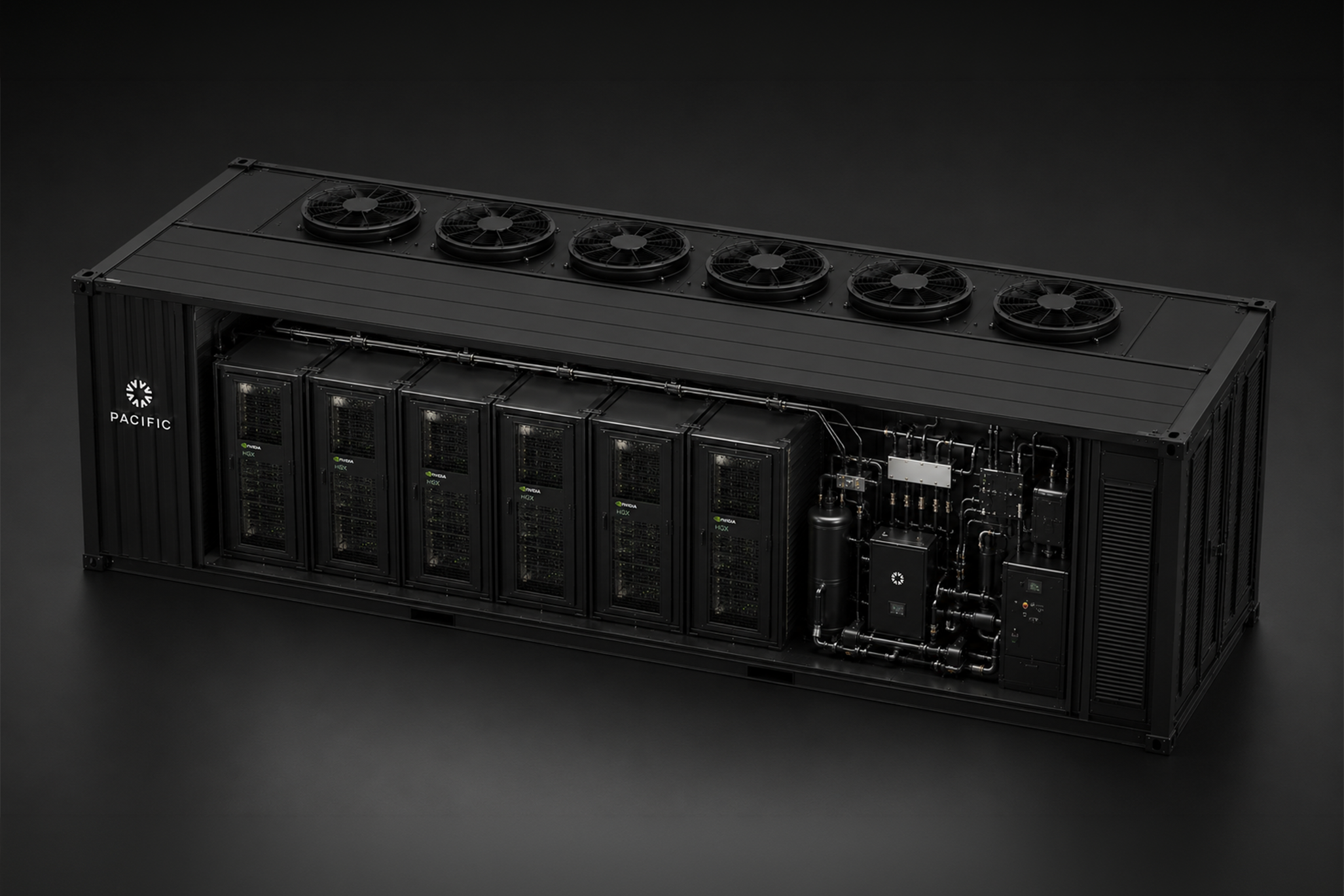
A managed cluster of 8 to 16 GPU nodes dropped on your site and operated by Pacific physically bounds Controlled Unclassified Information (CUI) and reduces the infrastructure your team must assess. It does not make your organization certified.
Reduce the boundary, not the standard
Cybersecurity Maturity Model Certification (CMMC) Level 2 covers 110 NIST 800-171 controls. Defense contractors handling CUI or International Traffic in Arms Regulations (ITAR) data cannot send it to commercial clouds or AI APIs - the work is forced on premises. A smaller, well-defined physical boundary shrinks what your assessment has to cover.
Physically bound
Sensitive workloads stay inside a defined on-premises environment with a physical boundary your team controls.
Scope reduced
The architecture can satisfy roughly 37 of the 110 controls - the physical and boundary controls - with responsibility mapped to system ownership.
Certification separate
Your assessment, organizational controls, policies, and people remain your program. Infrastructure alone certifies nothing.
Managed rack reference architecture
The typical entry deployment is 8 to 16 managed GPU nodes on your premises, operated by Pacific through documented interfaces. The Pod 32 specification is available as a deeper reference architecture for larger deployments.
- Typical entry
- 8-16 managed GPU nodes
- Location
- Customer premises
- Operations
- Pacific managed
- Boundary
- Defined CUI environment
- Reference asset
- Pod 32 specification
- Validation
- Factory, site, integration gates
Pod 32 is a labeled reference asset: 32 Supermicro HGX B300 nodes, 983 TB raw NVMe per module, Configurable 3.2 or 6.4 Tbps per node subject to the selected architecture.
Evidence for technical and security review
Built for a technical founder or CTO who has to defend the design in an assessment.
Control map
Physical and boundary control responsibilities mapped between Pacific and your organization.
Acceptance
24-stage factory, site, and integration evidence with named gate IDs, witnessable at handoff.
Operations
Remote-operations and field-service interfaces documented for your security review.
What remains in your scope
Honest boundaries make assessments faster. These stay yours.
Organization
Policies, people, process, training, and the assessment itself remain your program.
Interfaces
Identity, data transfer, and administrative paths need review with your security team.
Evidence
Pacific provides infrastructure evidence and responsibility maps - not certification.
Scope discussion, then calendar
Three quick questions - role, driver, timeline. No program names, contract numbers, or controlled details before a secure human conversation.
Your role
Answer the three questions and the calendar opens here. Prefer to skip ahead? Book directly on Cal.com.
Certification, scope, operations
Does buying Pacific infrastructure complete our CMMC program?
No. The deployment physically bounds CUI and can reduce the infrastructure scope your team must assess. Assessment, organizational controls, policies, and people remain your program. No infrastructure purchase confers certification.
What does the deployment actually cover?
A managed cluster of typically 8 to 16 GPU nodes dropped on your site and operated by Pacific. The architecture can satisfy roughly 37 of the 110 NIST 800-171 controls - specifically physical and boundary controls - while the remaining obligation stays an organizational program.
How do remote operations work with sensitive data?
Identity, data-transfer, and administrative interfaces are documented and reviewed with your security team before deployment. Field service follows the same defined interfaces. Responsibility for each interface is mapped explicitly.
Can the deployment be isolated or air-gapped?
Connectivity and isolation requirements are addressed in the engineering design for your site and program constraints. Bring the requirement to the engineering call - it is a design input, not an afterthought.
What evidence supports our assessment?
Infrastructure acceptance evidence from a 24-stage factory, site, and integration test program with named gates, plus a control-responsibility map covering the physical and boundary controls. These are technical evidence artifacts, not certification documents.